Wireless Microphones: A Selection Checklist
A wireless microphone checklist that starts from the room and the speaker, not from a feature list. Work through it before ordering, and carry the findings into the inquiry.
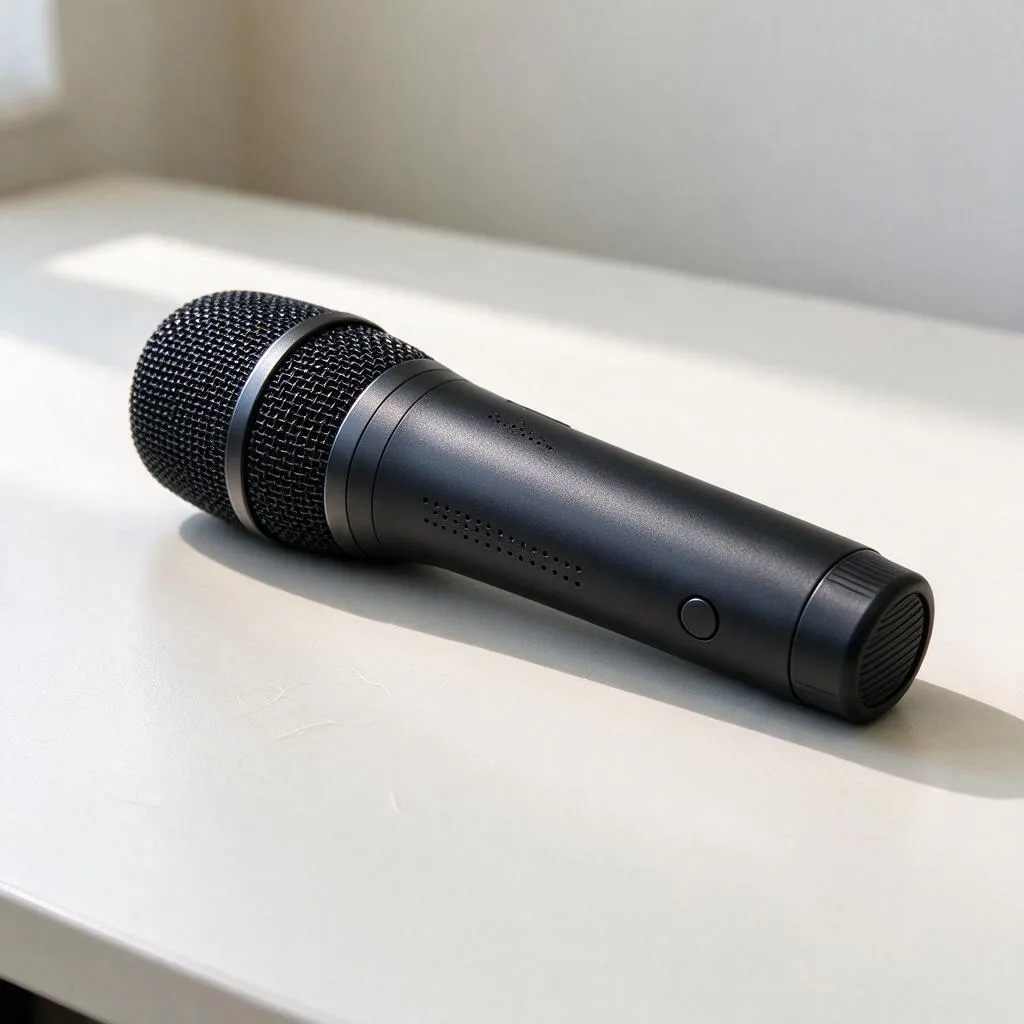
What wireless changes, and what it does not
Wireless microphones change one thing: the link between the speaker and the system. The speaker moves freely, and the microphone signal reaches the mixer without a cable between the speaker and the receiving point. Describe the existing mixer, amplifier and speakers, and ask what receiver, connections and power arrangements the proposed microphone would require.
That single change suits some settings and not others. A presenter who walks a room, a performer on a stage, or a facilitator moving between groups gains from it. A fixed announcement point, where the speaker stands in one place all day, gains little from it. The checklist below helps a buyer tell the two cases apart before ordering.
The room
Start from the room: its size, its shape, and what sits between the speaker and the receiving point. Walls, open space, furniture and other equipment in the room all shape what works. A small room with a clear line between speaker and receiver is a different brief from a large hall with walls and partitions in between, and the inquiry should name the difference.
Also name the receiving point: where the mixer or receiver sits, and how far it is from the speaker's area in plain terms. State distance in your brief as a layout fact, not as a range claim from a category page. This guide states no range, frequency or battery figure as a specification.
The speaker and the movement
Next, name the speaker: one person or several, standing, seated or moving, speaking, presenting or performing. A single moving presenter is one brief. Several speakers at once is another, since each speaker needs a microphone and the system must handle them together. State the speaker count and the movement pattern in the inquiry.
Microphone form follows movement. A handheld wireless microphone suits a speaker who holds it and passes it on. A lavalier microphone, clipped to clothing, suits a speaker who needs hands free while moving. The lavalier page on this site covers the clip-on form, and the wireless page covers the wireless family as a whole. Name the form in mind, and the movement that points to it.
The system around the microphone
A microphone never works alone. Name the mixer it must feed, the amplifier and speakers it must reach, and any microphones already in place. Name the existing mixer and system, and state compatibility as a requirement in your inquiry. This guide states no compatibility figure as a specification.
Also name the operating pattern: how long each session runs, how often microphones change hands, and who looks after the units between sessions. Those practical facts shape the brief as surely as the room does, and they belong in the inquiry alongside the technical needs.
Checklist to carry into the inquiry
From checklist to a brief
A brief built from this checklist names the room, the speakers, the movement, the form and the system around the microphone. It states every figure from the original brief as a requirement to be matched. If you receive a quote, compare it with your requirements and record any differences.
Send the item list and quantities for a quote, and agree MOQ and lead time in writing before placing an order. Certificates are available upon request.
One microphone or several
Speaker count changes the brief more than any other single fact. One speaker with one microphone is a simple link between one voice and one system. Several speakers at once need several microphones, and the system must handle them together without one voice drowning another. State the count, and state whether speakers talk in turn or overlap.
Handover matters too. A microphone passed between speakers during a session needs a handover pattern: who holds it, where it rests between turns, and who looks after it. A microphone fixed to one speaker for a whole session needs no handover pattern, but it needs a fit and placement that survives a long session. Name the pattern in the inquiry.
Rehearsal and handover
A short rehearsal in the actual room settles questions no category page can settle: where the speaker stands, where the receiving point sits, what sits between them, and how the voice carries to the speakers. State rehearsal findings in your inquiry revision as layout facts.
Between sessions, microphones need a home: a storage point, a charging or resting routine in plain terms, and a person responsible for the units. Those practical facts rarely appear in a product brief, yet they decide whether a wireless setup works smoothly across many sessions or frays at the edges. Name the routine in your inquiry.
Also name the interference picture in plain terms: other wireless units in the room, nearby rooms using wireless microphones at the same time, and any equipment known to share the air. State interference facts in your inquiry as room facts, without frequency or technical claims. A wireless brief that names only the speakers leaves the room's wireless picture undescribed.
Finally, name the spares pattern: whether spare microphones must be on hand during sessions, how spares are stored and handed over, and who decides when a spare replaces a unit in use. A spares pattern agreed before ordering keeps a session running when a unit is dropped, misplaced or simply runs out of charge mid-session.
Also name the storage pattern between sessions: where microphones rest, how they are protected during storage, and who checks them before the next session. A storage pattern in plain terms keeps units ready and avoids last-minute surprises when a session starts.
If you receive a quote, compare it with your requirements and record any differences.
Related pages
Send an inquiry
State your order quantity and required delivery date in your inquiry, and agree MOQ and lead time in writing before you place an order.