IP Network Broadcast Amplifiers: What to Ask Before Ordering
A networked paging brief is a layout brief. This guide walks through network layout, areas, messages and placement, without any protocol or software claim.
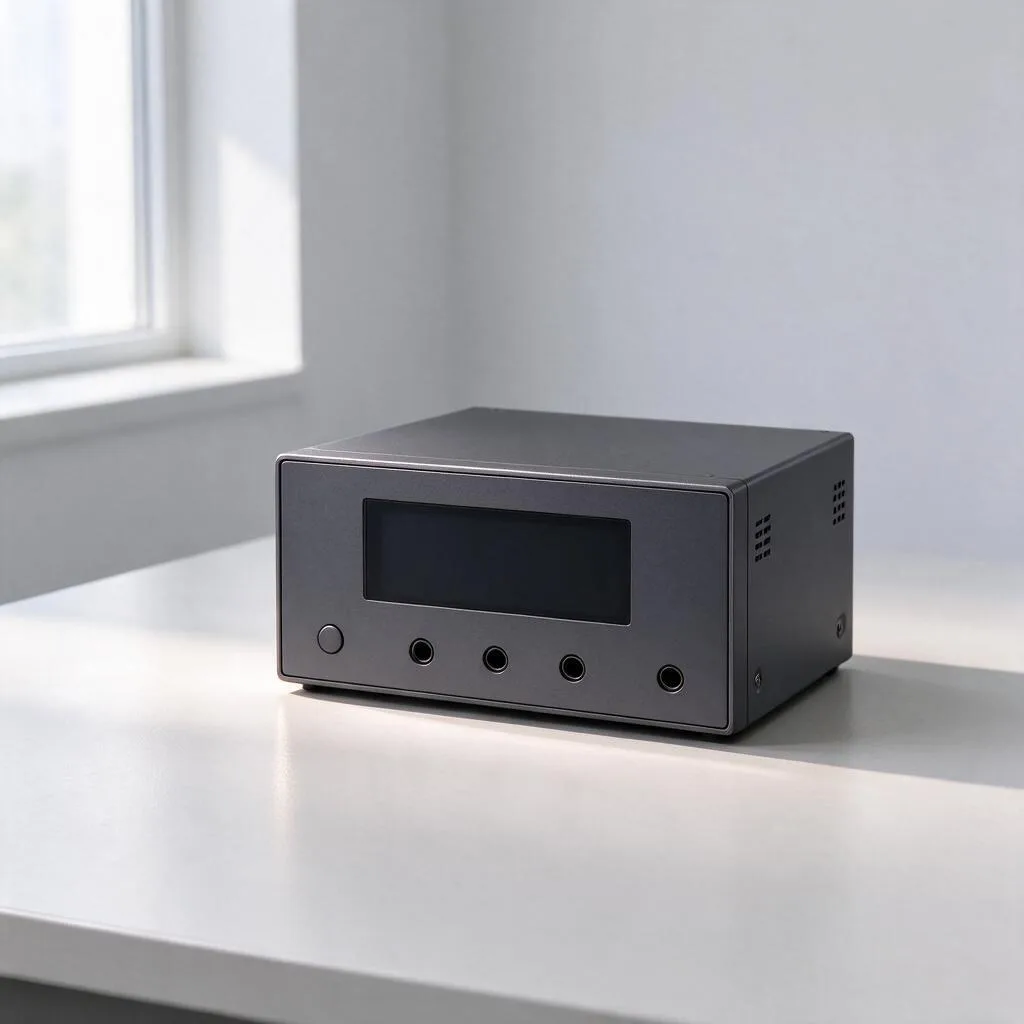
What networked paging means in a brief
IP network broadcast amplifiers are the amplifier family anchored on the supplier's own website.
This guide makes no claim about network protocols, cabling standards or software features. Those details belong to the buyer's existing network, not to a category page. What a buyer can and should describe is the layout: where things sit, which areas need which messages, and where announcements originate.
The layout
Start from a plain description of the existing network: the buildings and floors it covers, where the amplifiers would sit, where the speakers would sit, and where announcements originate. A layout described in those terms states the placement plainly. A layout described only as networked states no placement.
Also name the distances and barriers in plain terms: floors between points, walls between areas, and any part of the site the network does not yet reach. Those facts shape amplifier placement and speaker placement together, and they belong in the inquiry.
Areas and messages
Next, name the areas: every room, corridor, hall and outdoor space that needs sound, grouped by message need. Some areas need the same announcement at the same time. Others need separate messages, or silence while a neighbour area hears an announcement. Group the areas by message pattern, and the zone plan follows from the grouping.
Then name the message pattern: live announcements, scheduled messages, background sound, or a mix of the three, and who originates each type. A system used only for live paging is one brief. A system with scheduled messages across areas is another, since scheduling adds a control question to the layout question.
Placement and control
Name where each amplifier sits relative to its speakers, and where the control point sits relative to everything else. Placement shapes cabling, access for adjustment and the way faults are found. A placement list, area by area, turns a network diagram into an installation brief.
Also name who operates the system and who maintains it: one central operator, several area operators, or a facilities team across sites. The operator pattern shapes the control layout, and it belongs in the inquiry alongside the area list.
Questions to ask before ordering
A layout sketch in words
A networked brief benefits from a layout sketch in words: a paragraph per floor or building, naming the amplifiers, the speakers and the announcement points in each. Words carry the layout where a diagram cannot be attached, and a word sketch forces the writer to name every area instead of waving at a whole building.
Write the sketch area by area, and check it against the area list when done. Every area in the list should appear in the sketch, and every amplifier in the sketch should serve a named area. Gaps between list and sketch are gaps in the brief, and they are cheaper to close on paper than after installation.
Scheduled messages
Scheduled messages add a control question to a networked brief: which messages play when, in which areas, and who sets the schedule. A system with scheduled messages across areas needs a schedule pattern in the inquiry, naming message types, times in plain terms and area groups. A system with live announcements only needs no schedule pattern, and the inquiry should say so plainly.
Schedule changes deserve a line too. A schedule that changes weekly needs a different control pattern from a schedule fixed for a season.
Growth and later areas
Networked systems grow: a building gains a floor, a site gains a block, a yard gains a covered area.
Describe growth areas separately from present areas in your inquiry. Present areas carry quantities and delivery dates. Growth areas carry descriptions only, as questions for later orders. Keeping the two apart prevents a growth description from being read as a present order.
Also consider who else uses the network, in plain terms: other systems sharing the same network, other announcements running at the same time, and other areas whose messages must not leak into the paging zones. State shared-network facts in your inquiry as layout facts, without protocol or software claims. A networked brief that names only the paging side leaves the shared side to guesswork, and guesswork on a shared network is where later placement problems start.
Finally, name the testing pattern for the finished layout: which areas are checked first, who walks each area during testing, and what counts as acceptable sound in each area in plain terms. A testing pattern agreed before ordering gives the finished layout a clear acceptance description, area by area.
Also describe the order of work in plain terms: which areas come first, which areas follow, and whether any area must be in use before others are touched. An order-of-work description helps a layout brief read as a sequence rather than a list, and it gives the inquiry a structure that mirrors the site itself. Name the sequence area by area, and name any area that must stay in use throughout the work, so the brief carries both the layout and the sequence together.
Also name the access facts for each amplifier position in plain terms: who can reach it, whether it sits in a locked room or an open corridor, and whether adjustment needs special access. Access facts shape placement as surely as network reach does, and a brief that names them lets each amplifier position be planned with its access in mind.
From questions to a brief
A brief built from these questions names layout, areas, messages, placement and operators. If you receive a quote, compare it with your requirements and record any differences.
Send the item list and quantities for a quote, and agree MOQ and lead time in writing before placing an order. Certificates are available upon request.
If you receive a quote, compare it with your requirements and record any differences.
Related pages
Send an inquiry
State your order quantity and required delivery date in your inquiry, and agree MOQ and lead time in writing before you place an order.