PA Amplifiers: What to Ask Before Ordering
An amplifier is only as good as its pairing. This guide walks through the amplifier families, the pairing questions and the inquiry items that turn a category name into a quotable brief.
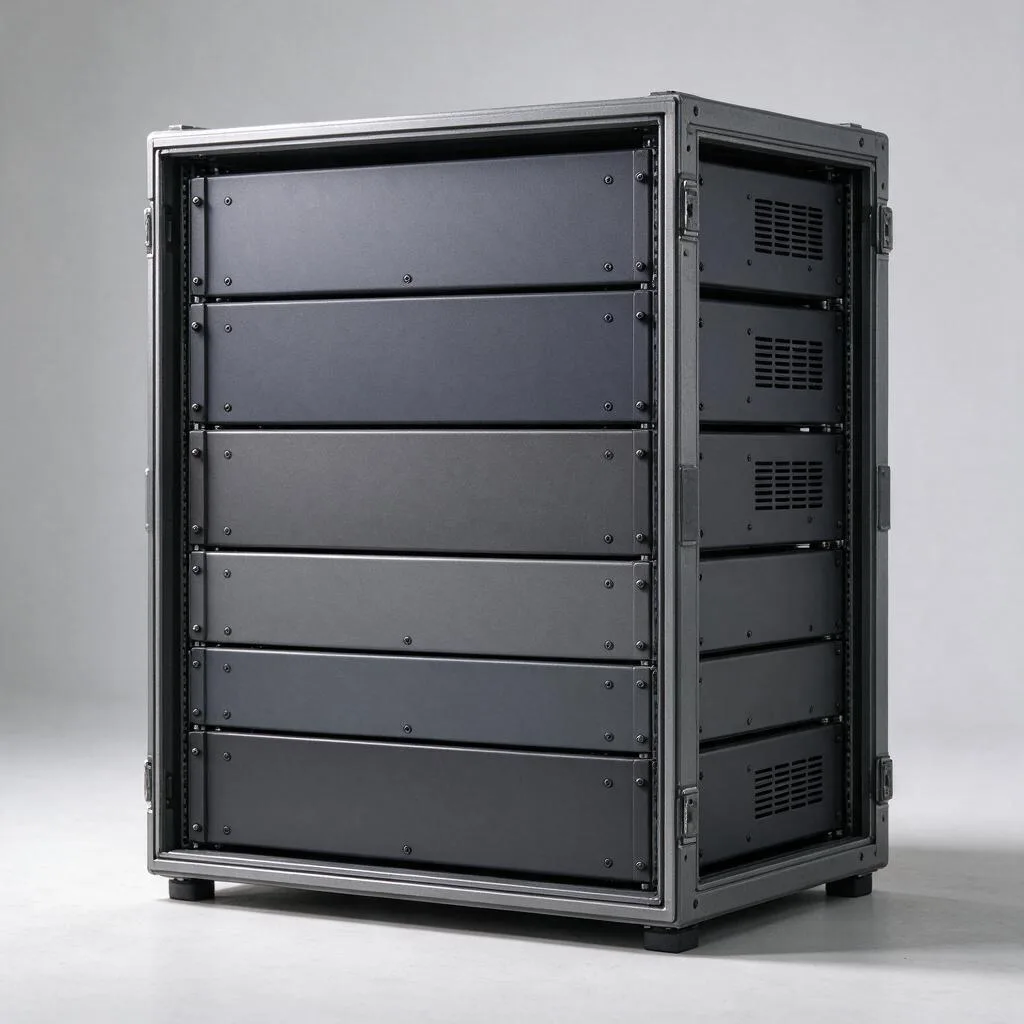
The amplifier families
Public address amplifiers form the centre of a PA system. A microphone or mixer signal enters the amplifier, and the amplifier drives the speakers across the rooms or areas to be covered. The family divides in practice into general public address amplifiers, professional power amplifiers, multi-zone amplifiers and IP network broadcast amplifiers, and each division fits a different planning question.
General public address amplifiers suit announcements, scheduled messages and background sound across rooms and buildings. Professional power amplifiers suit buyers whose brief centres on driving PA speakers in halls, venues and workplaces, where the speaker pairing carries the decision. Multi-zone amplifiers suit buildings where areas need sound at different times or from different sources. IP network broadcast amplifiers are one division of the family. Name the areas, speaker positions and announcement origins in your inquiry.
The divisions overlap, and a single brief can touch two or three of them. A building with networked paging and several zones, for instance, touches the multi-zone question and the network question at once. The guide below helps a buyer separate the questions, so each part of the brief can be stated plainly in the inquiry.
Pairing comes before power figures
Buyers often open with a power figure, a channel count or a voltage phrase from a brief or a search. Those phrases describe what a buyer is looking for, and they belong in the inquiry as requirements to be matched. They do not, on their own, settle the pairing. The pairing is the match between amplifier, speakers, sources and rooms, and it is the pairing that decides whether a system sounds right in its space.
Start from the speakers. Name the speaker forms in play — ceiling, wall, horn, line-array, pendant or column — and the rooms they serve. Then name the sources: microphones, playback units and any other inputs. Then name the rooms themselves, with ceiling height and layout in plain terms. An amplifier brief built in that order states the pairing plainly, while a brief built from a single figure leaves the pairing open.
Channel counts deserve the same treatment. If a brief names a channel count, state it in the inquiry as a requirement, and ask which amplifier lines fit that brief. State any size, power or voltage figure from your brief as a requirement in your inquiry. This site states no such figure as an available specification, so the inquiry is where requirements and lines meet.
Rooms, zones and networks
Rooms shape amplifier choice more than labels do. A single hall asks for a different setup from a building with ten rooms, and a building with ten rooms asks for a different setup again from a networked site with amplifiers spread across floors. Name the rooms, the areas and the control point in the inquiry, and name whether areas need the same message at the same time or separate messages.
Zones add a control question: who operates the system, and from where. A system operated from one reception desk differs from a system operated from several points, and a system with scheduled messages differs from a system used only for live announcements. Name the control pattern in plain terms, and the zone layout follows from it.
Networked briefs add a layout question: where the amplifiers sit, where the speakers sit, where announcements originate, and how the existing network connects them. Describe that layout in plain terms, without protocol or software claims, and ask which amplifier lines fit the layout. The network description, not the category name, carries the brief.
Questions to ask before ordering
Mistakes that weaken an amplifier brief
The most common weak brief names only a category: an amplifier, with no speakers, no rooms and no sources attached. Name speakers, rooms and sources in your inquiry.
A second weak pattern is a brief built from a single figure copied from another document — a power figure, a channel count or a voltage phrase — with no room or speaker attached to it. Figures without context cannot be matched to lines, since the same figure can belong to many different setups. State every figure as a requirement alongside the speakers and rooms it serves, and the figure becomes useful instead of misleading.
A third weak pattern is a brief that leaves the control question open: who operates the system, from where, and whether areas need separate messages. Name the control pattern in plain terms, even when it seems obvious, since obvious to the buyer is not obvious to the reader of the brief.
Reading the quote against the brief
If you receive a quote, compare it with your requirements and record any differences. Note each difference area by area, so the brief can be revised with those differences in mind.
Where a quote differs from the brief, ask which part of the brief the difference points to. A different speaker form for one room may point to a ceiling constraint the brief did not name. A different amplifier line may point to a pairing need the brief left open. Differences are not faults on their own; they are prompts to refine the brief and name the constraint.
Keep the brief, the quote and any documents named in the item list together as one record for the project. Later questions about quantities, delivery dates or certificate copies are easier to settle when the full record sits in one place, and later orders for the same space can start from the settled brief instead of from scratch.
From questions to a brief
A brief built from these questions reads like a description of a space, not a list of labels. It names rooms, speakers, sources, control and quantities, and it states every figure from the original brief as a requirement. If you receive a quote, compare it with your requirements and record any differences.
Send the item list and quantities for a quote, and agree MOQ and lead time in writing before placing an order. Certificates are available upon request. Ask for certificate copies in the inquiry where a project needs them, and name the documents in the item list so they travel with the brief.
If you receive a quote, compare it with your requirements and record any differences.
Related pages
Send an inquiry
State your order quantity and required delivery date in your inquiry, and agree MOQ and lead time in writing before you place an order.